
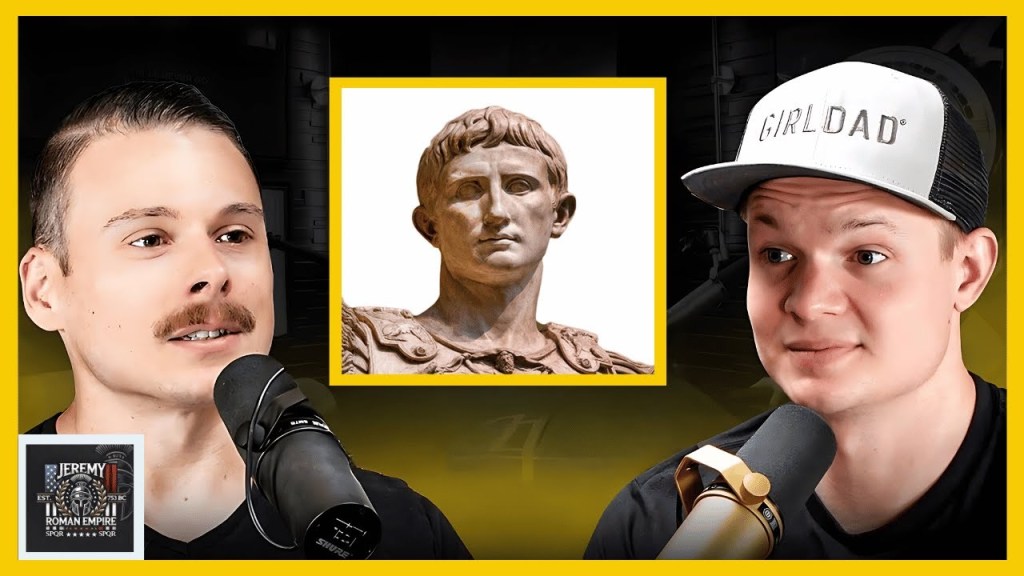
Hello history buffs! 📜
Today, we’re stepping back into the sandals of ancient Rome to explore a pivotal transition in its storied leadership—from Julius Caesar’s dramatic end to Augustus’s cunning rise. Strap in; it’s a tale of power, betrayal, and political savvy!
The Reluctance for Kingship in Rome
Rome’s history with kings was fraught with tension. After overthrowing their last king, Romans developed a deep-seated aversion to monarchy. The story of Brutus, who ended the reign of the last Roman king, mirrors his descendant’s assassination of Caesar—suggesting a recurring theme of rejecting absolute power.
The Heir to Caesar
When Julius Caesar was assassinated, he left behind a will naming his heir, not a son by blood but by adoption—Octavius, who would later be known as Augustus. This move was a classic Roman power play, where titles and familial names were passed along to chosen successors, not just direct descendants.
Julius Caesar: The Populist Leader
Caesar was not just a leader; he was a populares, a champion of the people, which often put him at odds with the Senate. His popularity and reforms threatened the traditional power structures, leading to his ultimate assassination by those who felt their power slipping.
The Power Struggle Post-Caesar
Following Caesar’s death, Rome didn’t simply bow to his appointed heir. Instead, a fierce power struggle ensued between Mark Antony, Caesar’s right-hand man, and Octavius. Initially allies against Caesar’s assassins, their ambitions soon put them at odds, culminating in the Battle of Actium.
Augustus: A Master of Public Perception
Octavius, or Augustus as he would be known, understood the Roman distaste for kings. He cleverly navigated this sentiment by adopting the title Princeps Civitatis (First Citizen) rather than king or emperor. This not only appeased the public’s fear of monarchy but also allowed him to maintain his grip on power while presenting the facade of republican continuity.
Conclusion: The Dawn of an Empire
The era of Augustus marked the subtle but significant shift from the Roman Republic to the Roman Empire. Through a mix of legal manipulation, strategic generosity, and ruthless power consolidation, Augustus laid the foundation for centuries of imperial rule under the guise of preserving the Republic.
Stay tuned for more deep dives into history’s most fascinating moments. If you loved this journey back in time, don’t forget to like, share, and comment. Until next time, keep exploring the past to understand the present! 🏛️✨
#RomeLeaders#EmperorAugustus#HistoryPodcast#MarkAntony#JoshForti
 MonsterKong.marketing
Leave a comment