
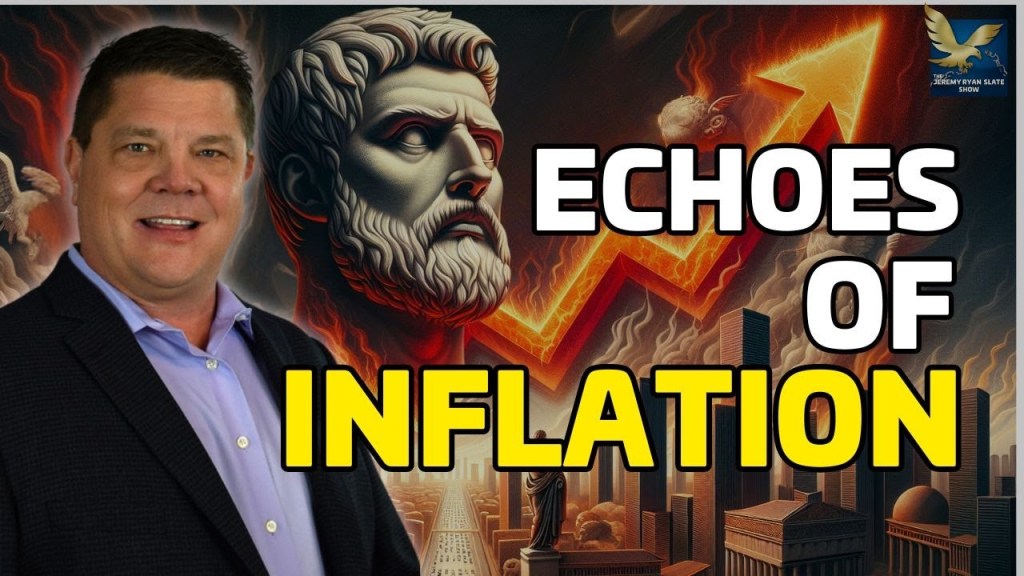
Hello, avid readers and history enthusiasts! Today, we embark on a fascinating journey connecting the dots between the ancient Roman Empire and our contemporary economic challenges. As we delve into this rich narrative, it’s crucial to reflect on how the past informs our present, especially when discussing inflation and immigration—two pivotal factors that once shook Rome and now tremor through our economy.
The Lessons of History: Rome Revisited
It may surprise some to learn that my background in Roman history, though seemingly impractical, has become increasingly relevant in today’s discourse. The decline of Rome was not due to a single cause but was heavily influenced by rampant inflation and complex immigration issues. Fast forward to 2024, and these themes resonate more than ever within our own economic landscape.
The Inflation Dilemma
Inflation is more than just an economic term; it’s a reality affecting everyone—from the single parent juggling multiple jobs to the retiree on a fixed income. As prices for staples like eggs, flour, and butter soar by over 30%, the pinch is felt deeply. This isn’t about cutting back on luxuries; it’s about struggling to afford the basics. 🍞💸
A Closer Look at Immigration
While ancient Rome dealt with vast migrations that strained its resources and bureaucracy, today’s America faces its own set of challenges with immigration policies that impact labor markets and demographic compositions. The conversation is nuanced, requiring a balance between compassion and economic pragmatism.
Proactive Steps Towards Stability
To stabilize our economy, a multi-faceted approach is necessary:
- Encourage Private Sector Growth: Innovation and job creation from the private sector are crucial for sustainable economic health.
- Curtail Excessive Government Spending: It’s imperative to stop the influx of unchecked public funding which can exacerbate inflation.
- Revitalize the Workforce: Enhancing labor participation rates by incentivizing return-to-work could be a game-changer.
Reflections and Forward-Thinking
As we ponder the parallels between the fall of Rome and our current economic climate, the lessons are clear. We must adopt policies that address these age-old challenges with modern solutions, ensuring that history’s lessons are not merely observed but actively learned from.
Join me in this dialogue as we explore deeper connections and solutions that not only reflect on the past but also pave the way for a more stable economic future. Your thoughts and discussions are welcome in the comments below!
 MonsterKong.marketing
Leave a comment