
In October 2020, a series of events transpired that left many scratching their heads. As I sat down with a colleague to discuss the situation, we couldn’t help but reflect on how bizarre it all seemed. The FBI, an institution that many view as the pinnacle of law enforcement in the United States, found itself tangled in a web of confusion, incompetence, and, potentially, intentional misconduct. But how did it all unfold? Let’s dive into the details and see where things went awry.
🎬 The Suspect’s Profile
The case centered around a young man who, on the surface, appeared to be a socially disconnected loner. Reports suggested that he had a routine of going to shooting ranges, training with rifles rather than pistols—an activity that raised suspicions. But let’s not jump to conclusions. The law clearly states that individuals under 21 cannot purchase a handgun, so it’s no surprise that he focused on rifles. His behavior, however, became more concerning as details emerged about his erratic and unhinged demeanor, making one wonder if there were deeper mental health issues at play.
🔍 The FBI’s Role and Honey Potting
One of the most intriguing aspects of this case is the question of whether the FBI had a more hands-on role than initially believed. In recent years, the FBI has been known to “set the stage” in various operations, especially in cases involving potential domestic terrorists or those susceptible to radicalization. Could this young man have been honey-potted? Was he lured into a situation by federal agents? While it’s a possibility, it remains just that—a possibility. There’s no concrete evidence to support this theory, but it’s worth considering given the FBI’s track record in similar cases.
💥 The Fallout: Federal Incompetence?
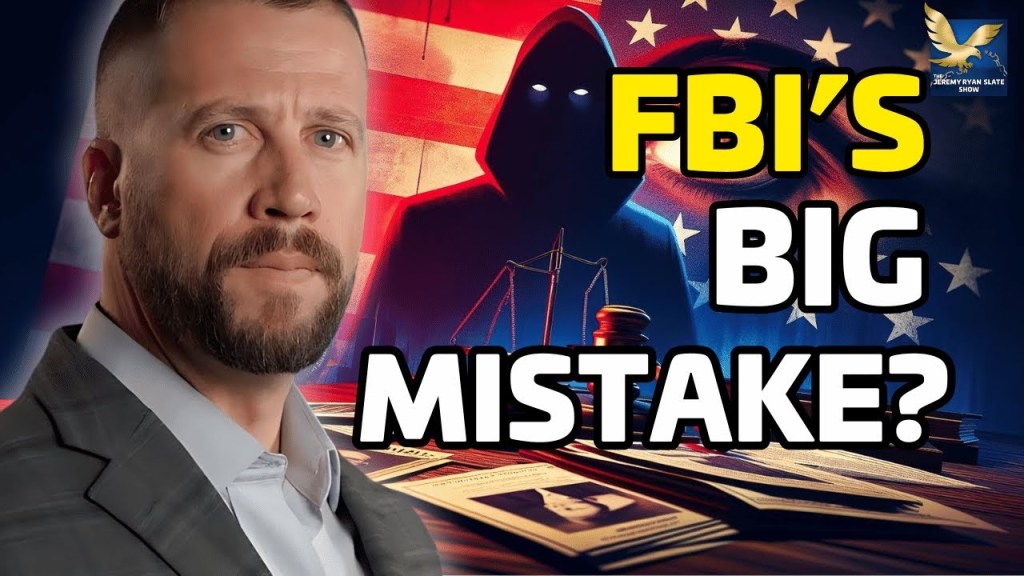
This case isn’t just about a young man with questionable behavior—it’s a reflection of the larger issue of federal incompetence. The FBI has a history of mishandling operations, sometimes with tragic results. A glaring example occurred in Miami in 2020, where a routine operation ended in the deaths of two agents due to poor planning and execution. The problem lies in what I call the “Supreme Confidence of the Untested.” It’s the belief that one can handle any situation because everything has always gone right—until it doesn’t.
📡 Tolerance Stacking: A Lesson in Federal Failures
In the world of firearms, there’s a concept known as “tolerance stacking.” It refers to how components that are within acceptable limits individually might not function correctly when assembled together. This idea translates well to federal operations. When different parts of an operation are each slightly off, they can culminate in a disastrous failure. In this case, miscommunication, overconfidence, and the reluctance to take responsibility led to a perfect storm of incompetence.
🎯 Conclusion
The case we’ve discussed is not an isolated incident; it’s a symptom of a larger issue within federal law enforcement. Whether it’s due to poor communication, a lack of accountability, or simply human error, these failures have real consequences. It’s a reminder that even the most well-oiled machines can break down if the parts don’t work together. As we continue to follow this story, it’s crucial to hold those in power accountable and demand transparency in their operations. Only then can we hope to prevent such tragedies in the future.

 MonsterKong.marketing
Leave a comment