
📝 Introduction: The Shadow Play of Global Economics
In the intricate theater of global power dynamics, the stage is often set far from the public eye. Behind the curtains, economic strategies unfold that can reshape entire continents. One such tactic is the wielding of currency as a weapon, a strategy used by the United States in South America and now echoed by China in Africa. This blog delves into the hidden narratives of economic influence, drawing parallels between historical empires and modern-day superpowers.
🌍 The Dollar as a Weapon: A Modern-Day Conquest
In the latter half of the 20th century, the United States perfected a method of exerting influence over South America through economic means. The strategy was simple yet profoundly effective: lend vast amounts of money to these countries. The loans, however, came with strings attached—strings that these nations could never hope to untangle.
The intent wasn’t for these nations to repay their debts. Instead, the inability to repay these loans created a dependency that allowed the U.S. to take control of vital resources and industries. Over time, South America found itself entangled in a web of financial obligations that effectively nationalized its assets under U.S. corporate interests. It’s a strategy that has left lasting scars on the continent, making South America a quasi-vassal state in the global economic order.
Fast forward to today, and we see a similar pattern emerging in Africa, but this time with China at the helm. Through its Belt and Road Initiative, China is extending massive loans to African nations, creating dependencies that echo the U.S.’s past actions in South America. The cycle of economic dominance continues, albeit with a new player on the global stage.
🏛 The Fall of Empires: Lessons from Rome
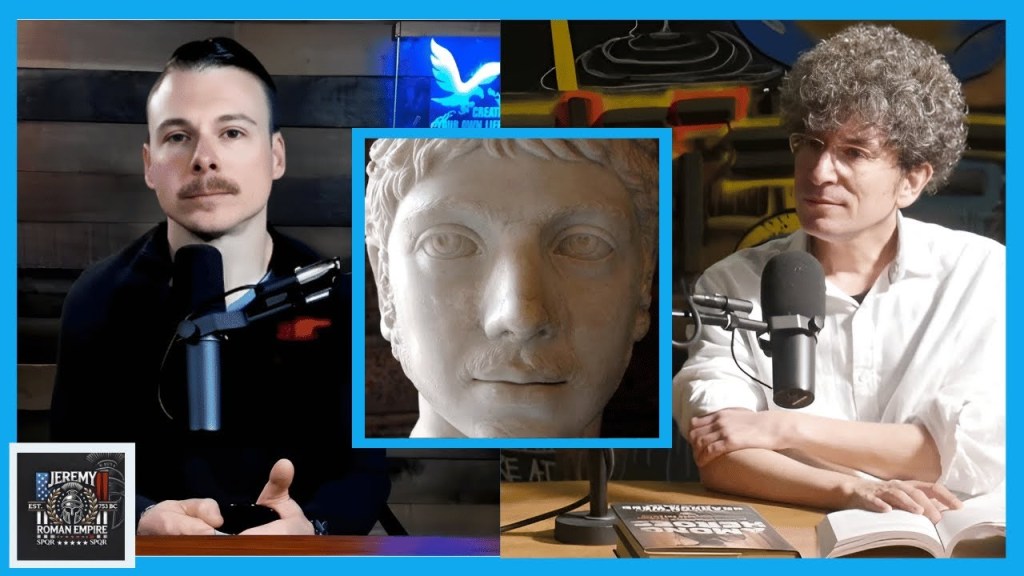
As we navigate these complex dynamics, it’s tempting to draw parallels between the rise and fall of empires. The Roman Empire, often cited as the quintessential example of imperial grandeur, offers valuable lessons. But how accurate are these comparisons when applied to modern-day America?
One popular comparison is between the U.S. and the Roman Empire during its transition from Republic to Empire—a time of populist uprisings and political instability. However, a more fitting analogy might be Rome’s Crisis of the Third Century. This period was marked by economic turmoil, rapid turnover of leadership, and a fragmented empire struggling to maintain its vast territories.
During this crisis, Rome faced a series of challenges that eerily mirror today’s geopolitical climate. Emperors came and went with alarming frequency, much like the political instability seen in various parts of the world today. The Roman economy faltered, plagued by inflation and a devaluation of its currency—issues that resonate with the economic uncertainties faced by many nations in the 21st century.
👑 A Tale of Two Emperors: The Madness of Power
The Crisis of the Third Century saw its fair share of erratic rulers. Among them was Elagabalus, an emperor whose reign was characterized by bizarre rituals and eccentric behavior. His antics, which included marrying rocks and dressing in women’s clothing, symbolized the decadence and instability that plagued Rome during this era.
But it wasn’t just about eccentric leaders. The period also saw a shift in power dynamics, with military leaders seizing control and declaring themselves emperors in rapid succession. This “Year of the Five Emperors” was a time of upheaval, with the empire teetering on the brink of collapse.
It wasn’t until the reforms of Emperor Diocletian in 284 AD that stability was restored. Diocletian introduced significant economic and administrative changes, including the creation of a standardized currency and the division of the empire into manageable regions. These reforms extended the life of the Roman Empire, delaying its eventual fall until 476 AD.
💡 Conclusion: The Echoes of History in Today’s World
As we reflect on these historical events, it’s clear that the lessons of Rome are still relevant today. The use of economic power to control nations, the rise of populist movements, and the challenges of managing vast empires are all themes that resonate in the modern world. While the U.S. may not be in decline, the parallels with Rome’s Crisis of the Third Century serve as a reminder of the importance of stability, wise leadership, and the careful management of economic power.
In a world where history often repeats itself, understanding these patterns can help us navigate the complexities of the global stage. As nations rise and fall, the strategies they employ leave lasting imprints on the fabric of history, shaping the world for generations to come. 🌐


 MonsterKong.marketing
Leave a comment