
The Roman Republic, one of the most iconic and influential civilizations in history, wasn’t sustained by sheer power alone—it thrived on a foundational principle known as civic virtue 📜. This term refers to the collective responsibility of citizens to act in the interest of the common good, which was seen as the bedrock of Rome’s success. In contrast to monarchies, where decisions rest on the whims of a king 👑, the Roman Republic placed power in the hands of its citizens, encouraging them to uphold justice, order, and morality.
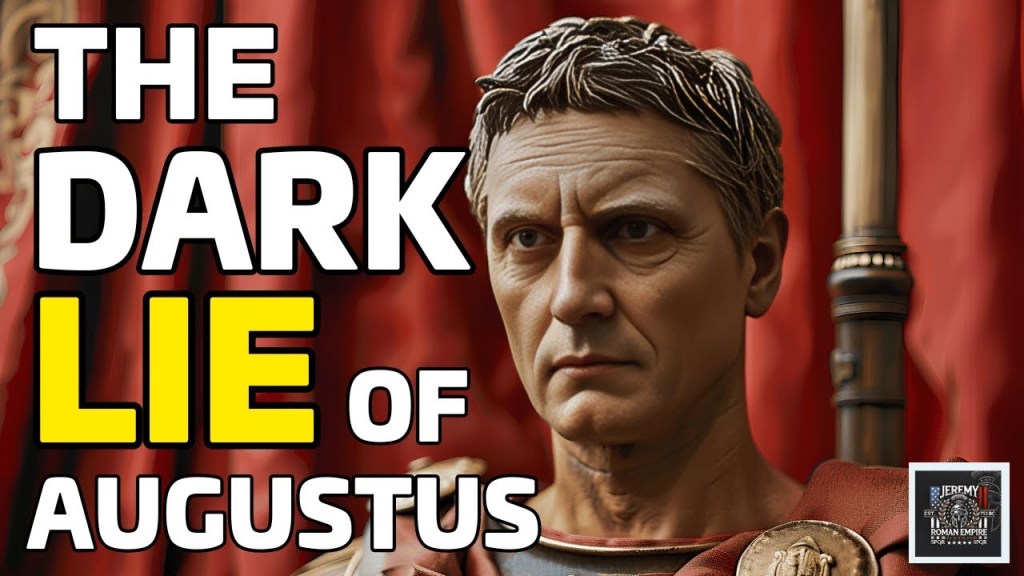
However, this virtue, so central to Rome’s identity, began to decay over time. Without a written constitution to provide strict guidelines, the Republic relied on tradition, with leaders like Augustus taking care to respect the outward forms of republican governance even as power shifted toward imperial rule. Augustus didn’t declare himself emperor—he preferred the title of princeps, meaning “first citizen,” to maintain an air of democracy. Yet, in reality, he wielded unparalleled control.
One fascinating period in Rome’s history is the era of the Five Good Emperors 🏛️, starting with Emperor Nerva and culminating with the renowned philosopher-emperor Marcus Aurelius. Instead of passing power down to their sons, these emperors adopted the most capable successors, ensuring the empire remained stable and well-governed for nearly a century. But when Marcus Aurelius broke this tradition by naming his son Commodus as emperor, Rome’s political fabric began to unravel.
What followed was a series of power struggles, with emperors like Elagabalus (a priest who worshipped a black rock and appointed his hairdresser to oversee the grain supply 😳) eroding the sense of civic duty and responsibility that had once made Rome so powerful. Despite brief revivals under leaders like Diocletian and Constantine, the decay of civic virtue continued, contributing to the eventual fall of the Roman Empire.
The lesson here? Civic virtue—shared responsibility and the prioritization of the common good—is essential to the survival of any republic. Rome’s descent into chaos serves as a warning of what can happen when that virtue is lost. 🌍

 MonsterKong.marketing
Leave a comment