
From the Build Your Business Podcast with Matt and Chris Reynolds
Starting a business is no small feat. It’s a journey filled with uncertainty, grit, and lessons that build not just a company, but you as a founder. On the latest episode of the Build Your Business Podcast, brothers Matt and Chris Reynolds share their insights on a foundational question for every aspiring entrepreneur: Should you bootstrap your business or seek outside funding?
What is Bootstrapping?
Bootstrapping means starting your business with minimal resources—primarily your own money and effort—without relying on external capital like loans or investor funding. For Matt and Chris, this approach isn’t just a method; it’s a philosophy.
Chris shares, “I’m a huge proponent of bootstrapping because it forces you to think about profits from day one. Businesses exist to generate a profit. If you don’t, you’re not in business for very long.”
Why 99% of Businesses Should Bootstrap
Matt and Chris outline a compelling case for bootstrapping:
- Skin in the Game: Spending your own money forces you to be intentional with every decision. It creates a mindset focused on sustainability and growth.
- Resourcefulness: Bootstrapping teaches you how to solve problems creatively. When you can’t throw money at an issue, you innovate.
- Flexibility to Pivot: Raising capital often ties you to specific goals or strategies. Bootstrapping allows you to adapt as you learn more about your market.
Chris recounts how his first business grew from nothing, starting in a rural Arkansas home with no external funding. “We bootstrapped for eight years, building a company to 100 employees with zero outside investment. We didn’t even know how to raise capital back then!”
The Reality of Bootstrapping
It’s not easy. Chris recalls a pivotal moment early in his career: “We had to hold garage sales to make ends meet. That pressure made us resourceful. When you’re poor and bootstrapped, failure isn’t an option. You find a way.”
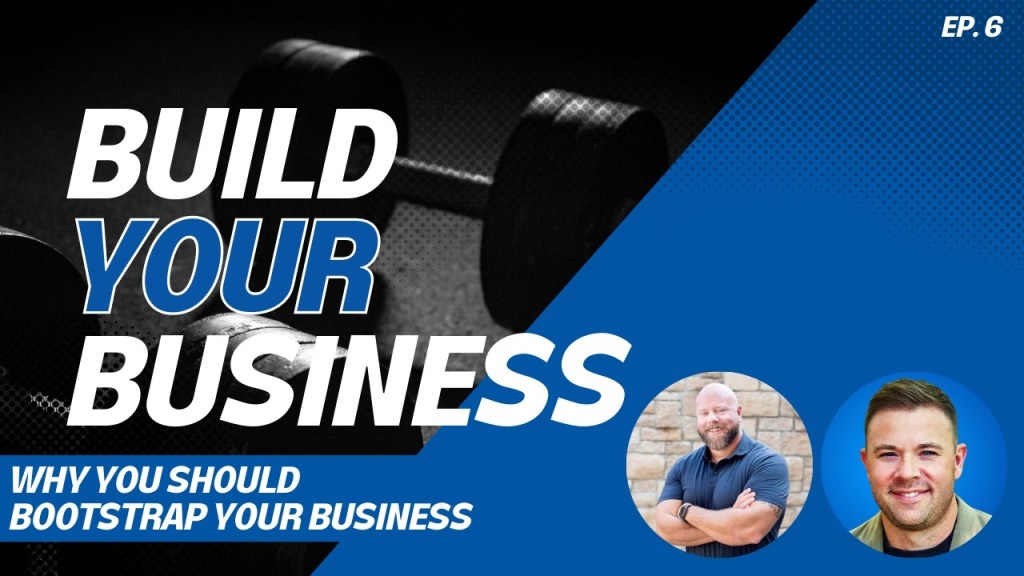
Bootstrapping forces you to lean on time and effort, especially when capital is scarce. Matt shares how this approach made them better entrepreneurs: “We learned to live lean and put everything back into the business.”
The Downsides of External Funding
The Reynolds brothers also caution against rushing to raise capital. When you spend other people’s money, it’s easy to lose discipline. Matt explains, “People often get drunk on the money, hiring too many people, overspending on marketing, and losing focus on profitability.”
Chris agrees, highlighting how bootstrapping fosters better habits: “When it’s your money on the line, you don’t have the luxury of frivolous spending. You make smarter decisions.”
Building a Founder, Not Just a Business
Perhaps the most compelling takeaway from this episode is that bootstrapping shapes you as much as your business. Matt emphasizes, “You think you’re building a business, but what you’re really building is yourself as a founder.”
From the sleepless nights to the grind of working weekends, bootstrapping forces you to grow in resilience, resourcefulness, and grit. And those traits, once developed, set you up for success in any venture.
Final Thoughts
The journey of bootstrapping isn’t for the faint of heart. It requires drive, high agency, and a willingness to embrace uncertainty. But for most entrepreneurs, it’s the best way to build a solid foundation for long-term success.
Matt and Chris leave us with this advice: “Start bootstrapped. Focus on building a profitable business. If you decide to raise capital later, do it when your business is ready—not because you’re desperate for cash.”
🎧 If this resonated with you, don’t forget to check out the full episode of the Build Your Business Podcast and share it with fellow entrepreneurs!

 MonsterKong.marketing
Leave a comment