
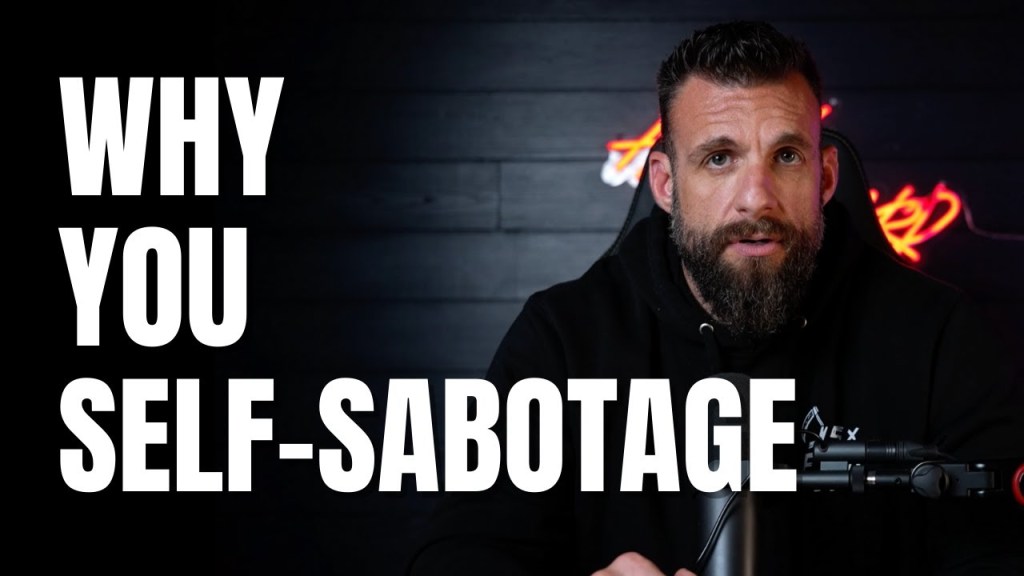
💥 Introduction: The Weight of the Past 💥
Hey guys! Welcome back to the blog. Today, I want to dive deep into something that’s been on my mind—how our past experiences, especially traumatic ones, can shape our future, often in ways we don’t even realize. For those of you who’ve read my book, Warrior Communicated, you already know some of my story. If you haven’t picked it up yet, you’re missing out on a journey that’s both raw and revealing.
When I got out of the military, I had no idea how much of my past was still riding with me. My time in service, the multiple combat deployments, the loss of friends in battle—all of it was like a high-speed train, collecting baggage car after baggage car, moving at 300 miles per hour. But when I left that life, the train didn’t slow down. Instead, all that baggage caught up with me, hitting me like a ton of bricks.
🚂 The Train of Life and the Baggage We Carry 🚂
You see, life in the military (and in many other high-paced careers) is about constant forward motion. You’re always on to the next mission, the next task, without time to pause and reflect. This creates a dangerous momentum where, when you finally slow down, everything you’ve been avoiding comes crashing in.
Think about it—have you ever been on a journey of self-improvement, whether it’s losing weight, quitting a bad habit, or starting a new one, only to fall off the wagon and revert to old ways? You make some progress, but then you backslide, sometimes ending up worse than before. It’s a vicious cycle, and it’s one that many of us are familiar with.
The reason? It’s not just a lack of willpower or motivation. It’s the baggage. It’s the trauma that we haven’t dealt with, the experiences that we’ve buried deep down. They’re still there, lurking in the background, dictating our actions and sabotaging our success.
🧠 The Psychology of Self-Sabotage 🧠
Self-sabotage happens when you’re not dealing with the root cause of your issues. For me, it took a lot of different therapies—every kind you can think of—to realize that I had to confront my past if I wanted to make real progress. I didn’t want my past failures or experiences to dictate my future, and I knew I had to do something about it.
In one of my recent Tier One coaching calls, this topic came up again. The client asked, “How do I stop self-sabotaging? How do I deal with everything that’s happened to me?” My answer was simple: You have to go back and deal with the source. You have to confront it head-on, even though it’s ugly, difficult, and uncomfortable.
👊 Owning Your Story 👊
The first step in this process is to own your story. Own your past. Peel away the layers of ego, be vulnerable, and face what you’ve been through. Forgive yourself and forgive others—not for their sake, but for yours. Holding onto resentment and anger only weighs you down, keeping you from moving forward.
Forgiveness doesn’t happen overnight. It’s not as simple as saying, “I forgive you,” and expecting everything to be okay. It’s a process that requires repetition, but over time, you’ll start to feel lighter, freer, and less burdened by the past.
🔥 Confronting the Dragons 🔥
After you’ve owned your story, it’s time to confront the dragons—the unresolved issues that have been gnawing at you. This might mean uncomfortable conversations, brutal honesty, or even therapy. But the more you confront these challenges, the more you remove the limiting beliefs holding you back.
One statistic that continuously shocks me is that one in three men has been sexually abused, and one in four has been physically abused. These traumas are often buried, never discussed, and they manifest in self-sabotaging behaviors. If this resonates with you, it’s crucial to seek help and deal with these experiences.
🌱 The Road to Freedom 🌱
As you start to confront your past, you’ll notice a shift in your life. You’ll stop riding the roller coaster of progress and backslide, and instead, you’ll start to see consistent growth. Whether it’s in your relationships, your career, or your personal development, dealing with your past opens up new possibilities.
For me, leaning into my faith, having those tough conversations, and even exploring plant medicine were all part of my journey to healing. These steps helped me become a better husband, father, leader, and person overall.
🏁 Conclusion: Always Forward, Never Quit 🏁
To truly be successful, you have to deal with your past. You can’t keep dragging around the weight of old baggage. It will slow you down and keep you from reaching your full potential. So, my challenge to you is this: Start dealing with your [ __ ] today. Confront the issues, forgive, and move forward. Always forward, never quit, never surrender. See you in the next post! ✌️


Leave a Reply