
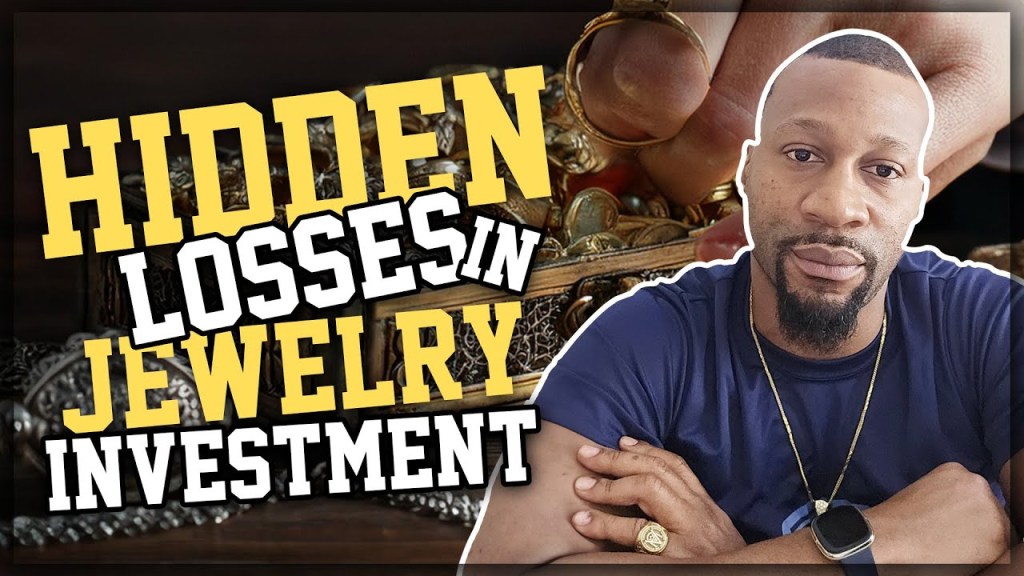
Jewelry has always been a symbol of luxury and status, but is it truly a wise investment? 🤔 If you’ve ever admired a stunning piece of jewelry, you might be tempted to splurge, thinking it could be a lucrative investment. But before you dive in, let’s unravel the truth about jewelry’s value and how to protect your investment.
The Allure and Pitfalls of High-End Jewelry
You might think that owning a glittering diamond or a gold chain worth thousands of dollars is the ultimate symbol of wealth. After all, who doesn’t dream of flaunting a piece that costs $60,000 or more? But here’s the catch: the high price tag doesn’t always translate to high value. 💰
Many people don’t realize that the jewelry market is rife with issues that can affect its true worth. For instance, not all diamonds are created equal. The industry uses terms like SII quality, which may not always reflect the true quality of the gem. Plus, with gold chains and other luxury items, the intrinsic value often diminishes quickly.
Why Jewelry Loses Value Over Time
When you buy jewelry, you’re often paying a premium that includes the markup from retailers. This markup covers not only the cost of materials but also the brand’s prestige and other associated costs. Unfortunately, this means that when you decide to sell your jewelry, you’ll likely face significant depreciation. In other words, you’ll probably never recoup the amount you spent initially. 😢
The resale market for jewelry can be harsh. You might find that your $60,000 gold chain is worth considerably less on the second-hand market. This reality check can be disheartening for those who view jewelry as an investment rather than just an accessory.
Insuring Your Jewelry: The Smart Move
One way to mitigate potential losses is by insuring your jewelry. There are two main types of insurance coverage: Actual Cash Value (ACV) and Replacement Cost (RC).
- Actual Cash Value (ACV): This type of insurance considers depreciation. In the event of a loss, you receive compensation based on the current market value of the jewelry, not the price you paid.
- Replacement Cost (RC): This coverage ensures you get the amount needed to replace the jewelry with a new piece of similar kind and quality, without factoring in depreciation.
Choosing the right insurance depends on your priorities. If you want peace of mind and the ability to replace your jewelry with something of equivalent value, RC might be the way to go. 🛡️
Final Thoughts
Investing in jewelry can be more about personal satisfaction and style rather than financial gain. If you’re passionate about high-end pieces, ensure you protect your investment with the right insurance and understand the potential loss in value over time. Remember, while jewelry can be a beautiful and meaningful asset, its investment value might not always align with its emotional worth.
Share your thoughts on jewelry investment and insurance in the comments below! What type of coverage would you choose? 🤔💬

 MonsterKong.marketing
Leave a comment