
📢 Are Men Losing Their Identity?
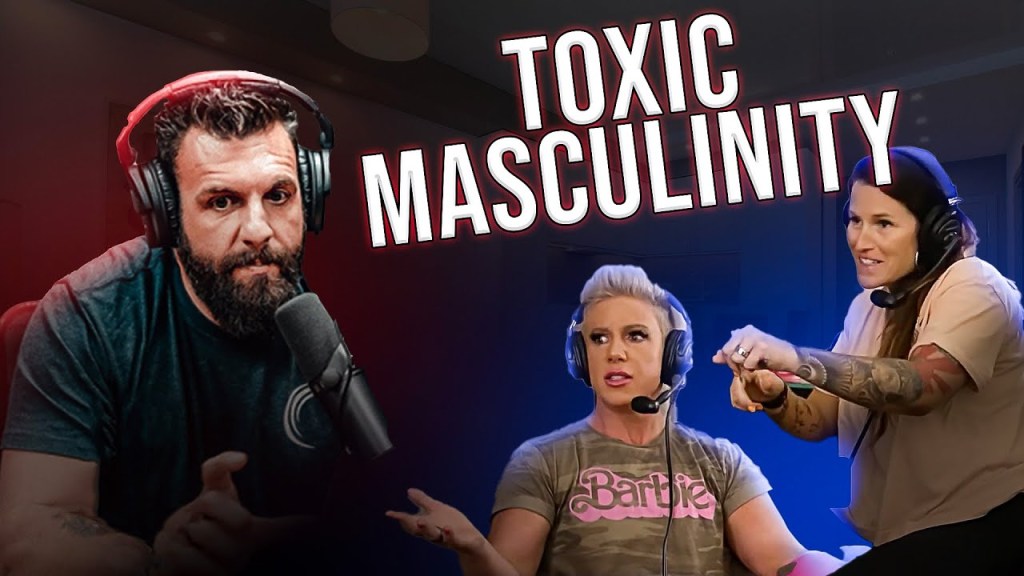
In today’s society, we hear constant debates about the so-called “toxic masculinity” and how men are supposedly failing to meet modern expectations. But let’s take a moment to reflect—are men truly the problem, or is the narrative itself flawed? 🤔 It seems like masculinity is now under attack, as men are increasingly discouraged from being themselves. Is this healthy for society, or are we setting ourselves up for deeper issues?
🧠 The Push Against Toxic Masculinity
It’s undeniable that the phrase toxic masculinity has been heavily promoted over the past few years. But while this concept initially aimed to address problematic behaviors like aggression and sexism, it has evolved into something much more complex. The push has now reached a point where men are becoming more feminine, and traditional male traits are increasingly viewed as problematic. This brings up an essential question: Why is there such a strong push against masculinity?
Is it really about reducing toxic behavior, or is there a more significant agenda at play? Could it be that this effort to “feminize” men is part of a broader societal shift, where traditional gender roles are being blurred or even erased?
💥 Impact on Men’s Behavior and Work Culture
In male-dominated industries, such as strength and conditioning, there’s been a noticeable shift in how men behave. Colleagues who once joked around with each other now fear making any comments, even innocent ones, for fear of being labeled inappropriate or worse, accused of harassment. The lines between harmless banter and inappropriate behavior have become blurry.
While there’s no denying that sexual harassment is a real and serious issue, we’ve reached a point where men are terrified to say even the simplest things like, “I like your shirt.” Imagine working in an industry where even a compliment could end your career! This shift is pushing men out of interactions, making them scared to engage with female colleagues. And it’s not just about jokes anymore; some men are afraid to even work with women for fear of being misconstrued.
Is this really how we want our workplaces to function? When men are too afraid to speak or even compliment someone, we create an environment of fear rather than mutual respect.
🧒 Raising Boys in This Climate
For parents raising boys today, there’s a legitimate concern about how these societal shifts will affect their sons. Boys are growing up in a world where being naturally attracted to girls could be seen as a problem. 😔 It’s no longer just about teaching respect—boys are being told that their very instincts are wrong. But what happens when we suppress boys’ natural behaviors? When we vilify their feelings and tell them they’re toxic simply for being boys?
It’s crucial to teach young men how to express themselves properly and respectfully, but by suppressing their masculinity, we risk creating darker, more harmful behaviors. Suppressed feelings often lead to frustration and even violence. And this isn’t just about the occasional schoolyard fight—if boys are constantly told they’re wrong for feeling a certain way, it may manifest in much darker, more damaging ways as they grow older.
🚨 Questioning Toxic Masculinity
So, if we’re losing men to this culture of suppression, can masculinity truly be toxic? Or is it a natural part of being human that needs guidance, not eradication? 😶 Aggression, for example, is often painted as a negative trait in boys, but isn’t aggression just another form of passion? Properly channeled, it can lead to great things—think about martial arts or sports. Telling boys not to express aggression is like telling them to shut down a vital part of who they are.
As society continues to discourage aggressive behavior in boys, we must also question whether we’re depriving them of healthy outlets for their energy. Is this making our boys stronger, or simply more confused about who they should be?
📚 Conclusion: Where Do We Go From Here?
The narrative around masculinity is shifting, but is it moving in the right direction? There’s no doubt we need to address harmful behaviors, but we also need to be careful not to vilify an entire gender. The key lies in balance—teaching boys how to be strong, respectful men without crushing their natural instincts. 👦💪
In the end, suppressing masculinity doesn’t solve the problem; it only creates new ones. If we’re truly committed to a more inclusive, respectful world, we need to embrace both men and women for who they are, guiding them in a way that fosters healthy interactions, not fear.


Leave a Reply