
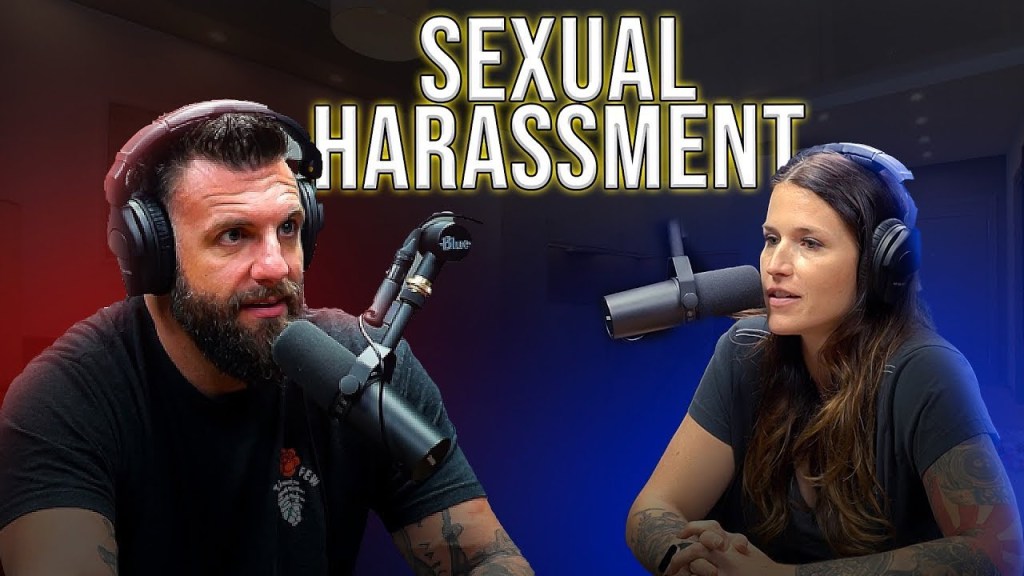
Sexual harassment is a topic that sparks a lot of debates, especially in industries where physical appearance and interactions play a significant role. This conversation touches on some of the more delicate aspects of the issue, bringing light to experiences that often go unspoken. We’re diving deep into what it means to face inappropriate behavior in the workplace, whether overt or subtle, and how various industries handle it.
Personal Boundaries: What is Sexual Harassment?
The first thing we need to define is what constitutes sexual harassment. As one person mentioned in our discussion:
“I have not been touched in places I didn’t want to after saying no.”
This clear, strong boundary highlights a crucial aspect of harassment. It’s not always about being physically violated. Sometimes it’s the comments, the jokes, or even the power plays that make us uncomfortable. 🛑
Being in a “vain, physical” industry, one might think that harassment is more prevalent or easier to spot, but it often takes more subtle forms. Whether it’s inappropriate remarks or propositions, the line can sometimes be blurry. So, where do we draw the line?
Industry Differences: Not All Fields Are the Same
Here’s where things get really interesting. It’s easy to assume that industries like fitness or the military would be the breeding ground for harassment due to their male-dominated environments. But according to our conversation, the restaurant industry is one of the worst offenders. 🏢🍻 Why? Because, as someone put it, “Everyone’s drinking, using drugs, and the lines get blurred. There are no boundaries.”
In these environments, harassment becomes normalized, and the concept of boundaries simply dissolves. In contrast, more structured fields like fitness or even the military often have clearer lines—though that doesn’t mean harassment doesn’t happen. What’s different is that the boundaries, when crossed, are more visible, and there are mechanisms in place to report it.
How to Handle It: Confidence is Key
💪 Confidence plays a massive role in handling unwanted advances. Many people in our conversation emphasized the importance of standing up for yourself and knowing when to say, “Thanks, but no thanks.”
However, not everyone has the confidence to refuse inappropriate offers. As referenced in the movie Bombshell, sometimes individuals, particularly women, feel trapped. They might believe that saying “no” could cost them their careers. This is a reality in Hollywood and other industries where power dynamics and success are often intertwined. 📽️
But what if more people had the confidence to walk away? One of the participants shared an inspiring perspective:
“I want my girls to be like that. To say, ‘No thanks, this isn’t for me,’ and still make it happen.”
Wrap-Up: It’s a Long Road to Change
The road to addressing and eradicating harassment is long, and it requires ongoing conversation, awareness, and action. No industry is immune, but the key is for individuals to feel empowered to speak up, set boundaries, and maintain their integrity—even when it’s tough.

 MonsterKong.marketing
Leave a reply to manimogrhea123 Cancel reply