
Social media—something we all use but often overlook its true power. Is it just a tool for selfies and status updates, or can it be something much deeper? Today, we’re diving into the heart of this question as we explore how social media is becoming a lifeline for communities on the fringes of the world. 🌍✨
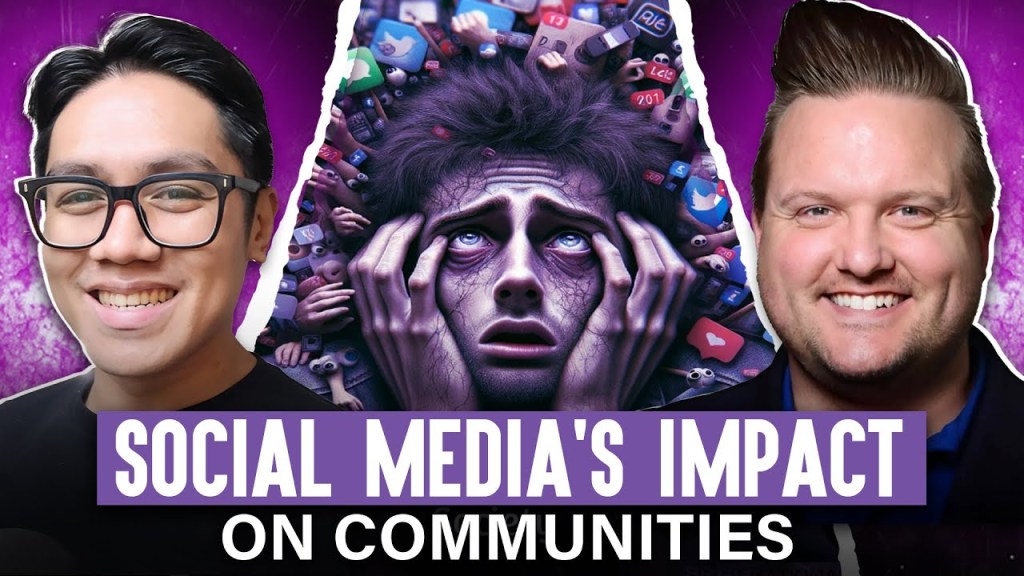
I had the absolute pleasure of hosting David Pride, founder and Chief Relationship Officer of Social Impressions, a social media agency that helps businesses and non-profits build meaningful connections online. David has worked with clients across 30 countries and is on a mission to transform how communities use social platforms to connect and inspire. But what really struck me about David’s work is his initiative, Hope for the Arctic, which focuses on raising awareness around the suicide crisis in the Arctic and preserving Inuit culture.
A Journey to the Arctic: Social Media’s Surprising Reach
David’s story begins with a simple tweet—yes, a tweet! About 12 years ago, while monitoring keywords like “looking for a speaker,” he responded to a call from a remote business conference. But this wasn’t just any conference; it was in Nunavut, a small town just below the Arctic Circle. The community had just gained access to high-speed internet, and they needed someone to teach Inuit business owners about the power of social media.
Can you imagine? One moment you’re in Las Vegas speaking to a room full of entrepreneurs, and the next, you’re flying north to the Arctic, walking into a room of attendees wearing seal skin clothing. This is the kind of impact social media can have—it connects people from completely different worlds. 🌎💻
David’s visit to Nunavut opened his eyes to the challenges facing the Inuit community. Through his work with social media, he learned about the severe suicide crisis plaguing the region and how disconnected the people felt from the rest of the world. That’s when Hope for the Arctic was born—a non-profit aimed at using social media to bring hope, preserve Inuit elders’ teachings, and foster connection among isolated communities.
Hope for the Arctic: A Mission Born from Compassion
The phrase that stuck with David the most was, “We just want people to know we exist up here.” It wasn’t about tourism or getting attention for local landmarks; it was about visibility. The Inuit community wanted their struggles and stories to be heard, something David knew social media could help achieve.
Social media isn’t just about likes and shares—it’s about making people feel seen. Whether it’s a brand acknowledging a customer’s pain or a community fighting to preserve their culture, social media can create meaningful connections that transcend distance. For the people in the Arctic, it’s about more than business—it’s about survival, both physically and emotionally. 💔
David’s non-profit focuses on raising awareness around the generational trauma caused by colonization, residential schools, and land claims. The mission? To let these communities know they’re not alone and to use social media as a platform for recognition and healing.
The Power of Authenticity in a Digital World
Let’s be real—social media has its dark side. Between misinformation and bullying, it’s easy to get lost in the noise. But David offers a refreshing perspective: social media is what we make of it. Whether we’re using it for business or personal connection, authenticity is key.
David shared a simple but powerful truth: in the world of social media marketing, those who stay authentic will thrive, while those who rely too much on automation and AI will fall behind. After all, no one wants to read a social post that sounds like a robot wrote it, right? 😆
He emphasized that brands and individuals alike need to recognize the power they hold over their own digital paths. If social media is causing harm—whether through bullying or stress—take control. Block those who bring negativity into your space, and don’t be afraid to take a break when needed. Mental health should always come first, no matter how important online engagement might seem.
Final Thoughts: Social Media as a Lifeline
So, can social media be a lifeline? For David Pride, the answer is a resounding yes. It’s more than just a marketing tool; it’s a way to create real, lasting connections that can change lives. 🌱 Whether you’re a business trying to stand out or a community trying to be heard, social media can be the bridge that brings people together—across oceans, cultures, and even the Arctic tundra.
David’s work with Hope for the Arctic shows us that social media isn’t just a tool for scrolling—it’s a platform for visibility, healing, and connection. If you want to learn more about David’s incredible mission, visit HopefortheArctic.com and follow his journey at Social Impressions.
💬 What’s Your Take? How do you use social media in your life or business? Share your thoughts in the comments below and let’s keep this important conversation going!

 MonsterKong.marketing
Leave a reply to manimogrhea123 Cancel reply