
Introduction
Imagine walking out of the military thinking, “I’m fine—I didn’t get blown up.” But what if it’s not that simple? Brain injuries aren’t always tied to dramatic events, and as I learned, the aftermath can creep up slowly. 🎯
In this blog, I want to share my experience—how small, everyday military exposures turned into life-altering problems and what steps I took to regain control. This journey is personal, but it’s one that every veteran or even an everyday person should know. 🧠
My Misconceptions About Brain Injuries
Leaving the military, I was under the impression that if I didn’t get hit by a blast, I was good to go. I had friends who got rocked—literally. One guy had his brain hanging out, and somehow, he’s fine now. They say he’s a bit off, but, truthfully, he was like that before. 🤷♂️
But here’s the thing: I assumed the lack of visible injuries meant I was safe. I didn’t understand that repeated small exposures—flashbangs, parachute jumps, and the pressure from weapons—could accumulate into what’s called “micro-traumas.”
Recognizing the Symptoms: It’s Not Just PTSD
I started noticing problems about a year and a half after leaving the military. I was struggling with low energy, brain fog, and emotional issues. At first, I thought it might just be the “blues” or some post-traumatic stress. But a friend suggested checking my hormones, which led to a shocking discovery—my testosterone levels were at rock bottom.
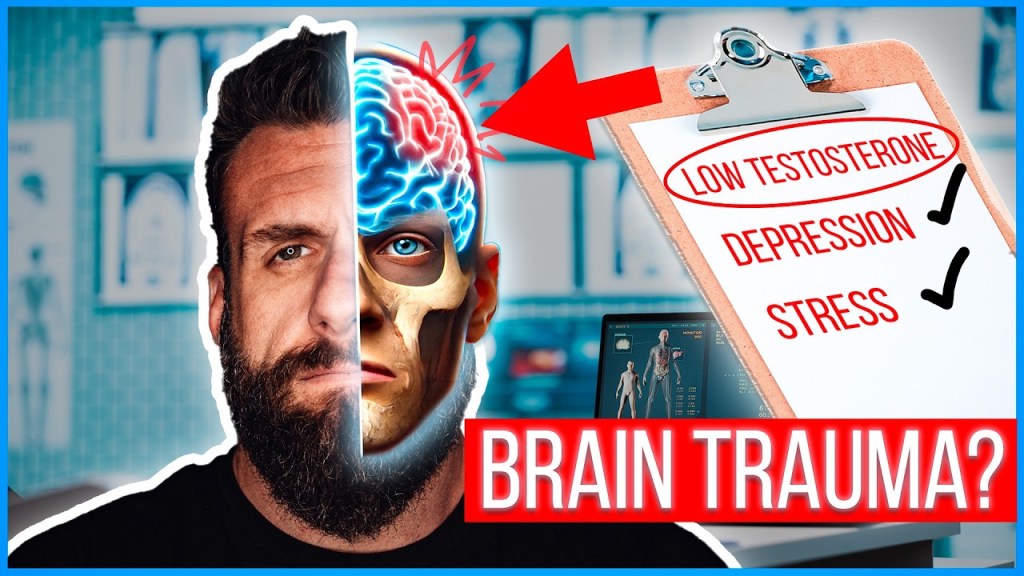
When I attended a brain injury conference, it hit me: my struggles weren’t isolated. They were part of a broader issue affecting many veterans. These small traumas—like riding in Humvees with gunfire overhead or repeatedly opening parachutes—were doing damage. Even things that seemed harmless, like mountain biking with my kids, could have serious impacts. 🚴♂️
Micro-Traumas and Hormonal Imbalance
The doctor I consulted explained that brain injuries interfere with your pituitary gland—the part of your brain responsible for balancing hormones. This is where two types of hypogonadism come into play:
- Type 1 Hypogonadism: Caused by direct damage to the testes (like in a skateboarding accident).
- Type 2 Hypogonadism: When the brain can’t send the right signals to balance hormones.
I was dealing with the second type, and the results were life-changing. I had been managing businesses and feeling drained, all because my body wasn’t producing the testosterone I needed. ⚡
Advocacy: Take Control of Your Health
Here’s the truth: No one cares about your health more than you. If you’re dealing with fatigue, brain fog, or emotional instability, get a blood test. Don’t let doctors dismiss you with, “It’s just aging.” Be your own advocate, whether you’re military, law enforcement, or just an everyday person.
At Core Medical Group, we’ve helped countless individuals figure out what’s going on under the hood. One client, Luke Kennedy, was at the brink of taking his life, but with the right help, he turned things around. You never know how much impact your actions can have.
Final Thoughts
Whether you’re a veteran, athlete, or parent chasing your kids around, brain injuries can sneak up on you. Get your blood tested. Manage your hormones. It’s not just about surviving—it’s about thriving. 🌱
If you want to learn more, grab a copy of my book, Excommunicated Warrior, and join the discussion below. Never quit, never surrender, and always move forward. 💪

 MonsterKong.marketing
Leave a reply to manimogrhea123 Cancel reply